


 Cart
Cart
 sales@molnova.com


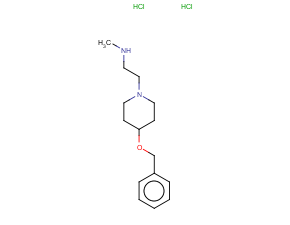
MS049 2HCl
CAS No. ——
MS049 2HCl ( —— )
Catalog No. M19312 CAS No. ——
MS049 is a potent and selective inhibitor of PRMT4 (IC50 = 34 nM) and PRMT6 (IC50 = 43 nM).
Purity : >98% (HPLC)
 COA
Datasheet
HNMR
HPLC
MSDS
Handing Instructions
COA
Datasheet
HNMR
HPLC
MSDS
Handing Instructions
| Size | Price / USD | Stock | Quantity |
| 5MG | 47 | Get Quote |


|
| 10MG | 75 | Get Quote |
|
| 25MG | 161 | Get Quote |
|
| 50MG | 303 | Get Quote |
|
| 100MG | Get Quote | Get Quote |
|
| 200MG | Get Quote | Get Quote |
|
| 500MG | Get Quote | Get Quote |
|
| 1G | Get Quote | Get Quote |
|
Biological Information
-
Product NameMS049 2HCl
-
NoteResearch use only, not for human use.
-
Brief DescriptionMS049 is a potent and selective inhibitor of PRMT4 (IC50 = 34 nM) and PRMT6 (IC50 = 43 nM).
-
DescriptionMS049 is a potent and selective inhibitor of PRMT4 (IC50 = 34 nM) and PRMT6 (IC50 = 43 nM). It is less active against additional type I PRMTs (IC50s = >130, >220, and 1.6 μM for PRMT1, PRMT3, and PRMT8, respectively) and displays no inhibition against type II or type III PRMTs nor any additional methyltransferases or nonepigenetic targets tested.
-
In Vitro——
-
In Vivo——
-
Synonyms——
-
PathwayOthers
-
TargetOther Targets
-
RecptorPRMT4| PRMT6
-
Research Area——
-
Indication——
Chemical Information
-
CAS Number——
-
Formula Weight321.28
-
Molecular FormulaC15H26Cl2N2O
-
Purity>98% (HPLC)
-
Solubility——
-
SMILESCl.Cl.CNCCN1CCC(CC1)OCc2ccccc2
-
Chemical Name——
Shipping & Storage Information
-
Storage(-20℃)
-
ShippingWith Ice Pack
-
Stability≥ 2 years
Reference
1. Shen Y, etal. Journal of Medicinal Chemistry, 2016, 59(19):9124-9139.
molnova catalog



related products
-
Triethyl citrate
Triethyl citrate is used in pharmaceutical coatings and plastics.
-
Apamin TFA (24345-16...
Apamin TFA (Apamine TFA) is a toxin found in bee venom. It is a potent blocker of small conductance Ca2+-activated K+ (SK, KCa2) channels that is more effective at SK2 than SK1 and SK3.
-
Fargesol
(-)-Fargesol is a nartural product from the flowers buds of Magnolia fargesii,the dried flower buds of M. fargesii, has been used as therapy for nasal empyema and headache.
